Posted on Leave a comment

What is a High Rise Apartment? 

A high-rise apartment is a home in a tall, multi-storey building, usually seven storeys or more. It is designed to make the most of urban space by allowing people to live vertically. High-rise flats are especially common in big cities in the UK, such as London, Manchester, and Birmingham, where demand for centrally located housing is still rising.

In real life, a high-rise apartment is a vertically structured residential building with modern architecture, easy Access to elevators, managed services, and enhanced security systems. These developments are usually in prime city-center locations. They are designed for professionals, international residents, and short-term rental guests who want to be close to everything.

Key Characteristics of High Rise Apartments

1. Height & Structure

  • Usually 7+ floors
  • Reinforced concrete or steel structure
  • Designed for vertical residential living
  • Built to UK fire and safety regulations

2. Lift Access

Most high-rise buildings include:

  • Passenger lifts
  • Service lifts
  • Secure entry systems

3. Modern Amenities

Many modern UK high-rise apartments offer:

  • 24/7 concierge services
  • CCTV security
  • Private gyms
  • Rooftop terraces
  • Underground parking

4. City-Centric Locations

High-rise apartments are typically located in:

  • Central London
  • Canary Wharf
  • Battersea
  • Manchester City Centre

These locations offer proximity to business districts, transport hubs, and lifestyle attractions.

Types of High Rise Apartments in the UK

1. Luxury High Rise Apartments

Often found in prime areas such as:

  • Canary Wharf
  • Battersea
  • Nine Elms

These include premium interiors, skyline views, and hotel-style services.

2. Residential Tower Blocks

Built during the mid-20th century for public housing and regeneration projects.

3. Build-to-Rent Developments

Modern developments specifically designed for long-term rental tenants with managed services.

Benefits of Living in a High-Rise Apartment

1. Stunning Views

Upper floors provide:

2. Enhanced Security

High-rise buildings often include:

  • Controlled entry systems
  • Concierge desks
  • CCTV monitoring

3. Prime Urban Location

Most high-rise apartments are within walking distance of:

  • Underground stations
  • Financial districts
  • Restaurants and retail hubs

4. Low Maintenance Living

Many buildings include:

  • Managed maintenance
  • Waste disposal systems
  • Communal cleaning services

Are High Rise Apartments Safe in the UK?

Yes. High-rise apartments in the UK must comply with:

  • UK Building Regulations
  • Fire Safety Act 2021
  • Regular safety inspections
  • Fire-resistant materials
  • Sprinkler systems (in modern buildings)

Following reforms after the Grenfell Tower fire, fire safety standards have become significantly stricter across England.

High Rise vs Low Rise Apartments: Understanding the Difference

The main differences between high-rise and low-rise apartments are their height, density, and amenities. Low-rise buildings usually have one to four stories and don’t always include elevators or many public spaces. High-rise apartments, on the other hand, are designed for living in vertical space and often feature sophisticated infrastructure, security systems, and high-end shared amenities.

In cities like London, where the center is busy, high-rise buildings are generally associated with modern architecture and residential planning based on lifestyle.

Who Chooses High Rise Living?

High-rise apartments appeal to a wide demographic, including:

  • Young professionals working in financial and business districts
  • Corporate tenants relocating to London.
  • International students
  • Digital nomads
  • Short-term luxury rental guests
  • Property investors seeking strong rental demand

The combination of location, security, and managed services makes high-rise living particularly attractive in competitive urban markets.

High Rise Apartments in London’s Luxury Rental Market

In London, high-rise apartments are becoming a key element of the high-end short-term rental market. Guests get the privacy and space of a residential flat, along with modern interiors, a central location, a safe environment, and hotel-like convenience.

MyLondonHop specializes in completely managed, handpicked high-rise flats in the best neighborhoods in London. We offer properties that are ideal for business travelers, professionals relocating to a new city, and those seeking upscale city living.

Final Thoughts

A high-rise apartment is more than just a tall building; it also signifies modern city living, smart planning of where to put things, and a way to make life easier. High-rise buildings are very important in places like London because they can accommodate more people who want to live there while also providing high-quality living conditions.

High-rise flats are still one of the most popular places to live in the UK for people who want luxury, flexibility, and easy Access to the city.

MyLondonHop offers professionally managed, luxury stays in the center of London for anyone seeking high-end, high-rise apartments.

Posted on Leave a comment

Luxury vs Affordable Rentals in Central London: What to Expect

Central London is still one of the most competitive and in-demand rental markets in the UK. In 2026, those travelling, living abroad, or working in Central London who need a place to stay, whether for a short or long time, mostly choose between luxury and cheap rentals. Each choice has a wide range of effects on your lifestyle, budget, and comfort level.

If you’re moving for work, going on a business trip, or planning a long vacation, knowing the difference between luxury and budget accommodations can help you avoid paying too much or missing out on too much during your stay. Luxury rentals in Central London are mainly in high-end neighbourhoods like Mayfair, Knightsbridge, Chelsea, and Covent Garden. They have high-end decor, concierge services, and private areas.

This guide compares luxurious and budget rentals in Central London based on price, facilities, location, and the type of tenant each is best suited to. This will help you choose the one that best fits your budget, lifestyle, and length of stay.

What Is Considered a Luxury Rental in Central London?

Luxury rentals in Central London typically include:

  • Prime locations (Mayfair, Knightsbridge, Chelsea, Covent Garden)
  • Premium interiors & designer furnishings
  • Concierge services
  • Smart home features
  • High-end kitchens & marble bathrooms
  • Private balconies or skyline views
  • 24/7 security

Luxury short-term apartments are often comparable to 5-star hotels but provide more privacy and space.

Typical Price Range (2026)

  • £350 – £1,200+ per night (short-term)
  • £4,500 – £12,000+ per month (long-term)

These properties are ideal for

  • Corporate executives
  • High-net-worth travellers
  • Families wanting comfort and prestige
  • Luxury holiday stays

Prime Luxury Areas in Central London

1. Mayfair

  • Ultra-premium neighborhood
  • Close to Bond Street & Hyde Park
  • Private members clubs & Michelin-star dining

2. Knightsbridge

  • Home to Harrods
  • Prestigious developments
  • Luxury shopping & international residents

3. Chelsea

  • Riverside living
  • Boutique atmosphere
  • Popular among professionals

What Is Considered an Affordable Rental in Central London?

Affordable rentals are still centrally located, but:

  • Smaller in size
  • Functional rather than designer interiors
  • Fewer concierge services
  • Basic amenities (Wi-Fi, equipped kitchen, clean furnishings)
  • May be slightly outside ultra-prime zones

Typical Price Range (2026)

  • £120 – £300 per night
  • £1,800 – £3,500 per month

These rentals are suitable for:

  • Students
  • Tourists on a budget
  • Relocating professionals
  • Short business stays

1. Paddington

  • Excellent transport links
  • Close to Hyde Park
  • Good value studios & 1-bed flats

2. Bayswater

  • Walkable to Notting Hill
  • More affordable than Mayfair
  • Ideal for tourists

3. King’s Cross

  • Regenerated modern developments
  • Popular with young professionals
  • Excellent connectivity

Key Differences: Luxury vs Affordable Rentals in Central London

Feature Luxury Rentals Affordable Rentals

Location Prime Zones Central but less exclusive

Interior Designer, premium, functional & clean

Services, concierge, security, and self-check-in mostly

Size: Spacious layouts, Compact

Price High Moderate

Target Guest Executives & affluent travellers, Students & budget travellers

What Amenities Should You Expect?

Luxury Rentals Often Include:

  • Marble bathrooms
  • Smart TVs & integrated tech
  • Air conditioning
  • High-thread-count bedding
  • Weekly housekeeping

Affordable Rentals Usually Offer:

  • Fast Wi-Fi
  • Equipped kitchen
  • Comfortable bed
  • Heating
  • Basic furnishings

Is Luxury Rental Worth It in Central London?

It depends on your purpose:

Choose luxury if:

  • You value privacy and prestige
  • You need space for family
  • You are hosting clients
  • You want a premium London lifestyle experience

Choose affordable if:

  • You will be exploring the city most of the day
  • Budget is a priority
  • It is a short business visit
  • You prefer location over interiors

Final Thoughts: Making the Right Choice in 2026

There are several benefits to both high-end and low-cost rentals in Central London. Experience, amenities, and lifestyle aspirations are the main things that set them apart.

Luxury rentals offer great comfort if you want a customised, high-end living experience in the best parts of London. If you want to stay in the center of town and get the best value for your money, cheap rentals are a good choice.

At MyLondonHop, we help travellers find the best place to stay in Central London that suits their comfort, proximity, and budget.

Posted on Leave a comment

Top Hidden Gems in London Close to Your Apartment

London is one of the most popular tourist destinations in the world. It is known for notable sites including Big Ben, Buckingham Palace, and the London Eye. But there is another side to the city that tourists don’t see: hidden gems that locals love.

If you stay in a luxury short-term apartment with MyLondonHop, you’ll be in the best place to see some of London’s most beautiful but less busy spots. These secret spots are within a few minutes of central neighborhoods, including Mayfair, Chelsea, Knightsbridge, Battersea, Marble Arch, and Marylebone. They provide unique experiences, real culture, and views that will stay with you forever.

This guide shows you the best hidden jewels in London that are close to your apartment so that you can see the city like a local.

Why Explore Hidden Gems in London?

Many visitors only see London’s major attractions, but exploring hidden spots offers several advantages:

• Experience authentic London culture

• Avoid large tourist crowds

• Discover unique cafés, parks, markets, and streets

• Capture Instagram-worthy photo locations

• Enjoy peaceful spaces within a busy city

For guests staying with MyLondonHop luxury apartments, these hidden gems are often within walking distance or a short tube ride away.

St. Dunstan in the East – A Secret Garden in the City

Located between London Bridge and the Tower of London, St. Dunstan in the East is one of the most magical hidden spots in London.

Originally a historic church damaged during World War II, it has been transformed into a beautiful public garden inside ancient stone ruins.

Why Visit St. Dunstan in the East?

  • Stunning ivy-covered walls
  • Peaceful environment in the middle of the city
  • Perfect photography location
  • Free entry

It is a quiet oasis just minutes from London’s financial district, making it ideal for travelers seeking calm after a busy day of city exploration.

Neal’s Yard – London’s Most Colorful Courtyard

Tucked away in Covent Garden, Neal’s Yard is one of London’s most vibrant and charming hidden locations.

This small courtyard is famous for its brightly painted buildings, independent cafés, and organic shops.

What Makes Neal’s Yard Special?

  • Instagram-famous colorful architecture
  • Unique health food cafés
  • Artisan shops and wellness stores
  • A hidden spot most tourists miss

If you are staying in MyLondonHop apartments near Covent Garden or Soho, this colorful courtyard is just a short walk away.

Little Venice – A Peaceful Canal Escape

Just north of Paddington and Maida Vale, Little Venice is one of London’s most relaxing hidden gems.

This charming canal area features beautiful houseboats, waterside cafés, and tree-lined walkways.

Things to Do in Little Venice

  • Take a scenic canal boat ride.
  • Walk along the peaceful waterways.
  • Enjoy brunch at a canal-side café
  • Visit the famous Canal Café Theatre.

It’s a perfect destination for travelers staying in MyLondonHop apartments near Marble Arch, Marylebone, or Paddington.

Kyoto Garden – A Japanese Garden in the Heart of London

Located in Holland Park, Kyoto Garden is a stunning Japanese garden gifted to London by Kyoto.

This hidden sanctuary features waterfalls, koi ponds, stone lanterns, and peacocks walking freely.

Highlights of Kyoto Garden

  • Traditional Japanese landscaping
  • Relaxing atmosphere for meditation
  • Unique photography location
  • Ideal for couples and nature lovers

It’s one of the most peaceful hidden gardens in London, yet many tourists never discover it.

Leadenhall Market – A Hidden Historic Market

Dating back to the 14th century, Leadenhall Market is one of London’s most beautiful historic markets.

With its ornate Victorian roof, cobbled floors, and boutique shops, it feels like stepping into another era.

Fun fact: Leadenhall Market was used as a filming location for the Harry Potter movies.

What to Experience at Leadenhall Market

  • Traditional British pubs
  • Boutique shopping
  • Stunning architecture
  • Historic atmosphere

It’s a fantastic hidden destination for travelers who love history, architecture, and photography.

Daunt Books Marylebone – A Hidden Paradise for Book Lovers

If you love books, Daunt Books in Marylebone is one of London’s most beautiful independent bookstores.

The Edwardian interior features long oak galleries and skylights, creating a magical reading environment.

Why Visit Daunt Books?

  • Historic architecture
  • Travel-themed book collections
  • Cozy reading atmosphere
  • Located in the charming Marylebone village

Guests staying in MyLondonHop apartments near Marylebone or Marble Arch should not miss this literary gem.

Sky Garden – London’s Free Secret Viewpoint

Many visitors pay to see views from tall buildings, but Sky Garden offers one of the best views in London for free.

Located at the top of the Walkie Talkie building, this indoor garden offers 360-degree views of London’s skyline.

What You Can Enjoy at Sky Garden

  • Stunning city views
  • Indoor tropical gardens
  • Restaurants and bars
  • Sunset photography

It’s a must-visit for travelers seeking spectacular views without paying high entry fees.

How Staying in a Central London Apartment Helps You Discover Hidden Gems

Choosing a suitable point to stay can make a big difference in your time in London.

You will be in some of London’s most renowned and central areas when you stay in MyLondonHop luxury flats. 

These include:

  • Mayfair
  • Chelsea
  • Knightsbridge
  • Battersea
  • Marble Arch
  • Marylebone

This means many hidden gems are within walking distance, allowing you to explore London like a local rather than a typical tourist.

Final Thoughts

There are many surprises in London. There are secret gardens, historic marketplaces, colorful alleyways, and tranquil canals just waiting to be explored beyond the city’s iconic sights.

When you stay in a strategically located luxury apartment with MyLondonHop, you can easily reach these hidden gems while still enjoying comfort, privacy, and a real London experience.

No matter how long you’re in London on vacation, for work, or for a longer stay, finding the city’s hidden gems will make your trip truly memorable.

Posted on Leave a comment

What Is the Difference Between an Apartment and a Condominium?

When looking for a place to live in the UK, many people ask, “What is the difference between an apartment and a condo?”

Even though people often use these words to mean the same thing, they actually have different meanings when it comes to ownership, legal structure, management, and investment possibilities. It’s very important to know the difference if you want to rent, purchase, or invest in property in the UK.

This guide from mylondonhop explains the Difference between apartments and condominiums in simple terms, which is great for buyers, tenants, landlords, and property speculators.

Apartment vs Condominium

A single landlord or organization usually owns an apartment complex and rents out apartments.

A condo is a single-family home that is part of a bigger complex or development.

The main difference is how ownership is set up.

What Is an Apartment in the UK?

In the UK, the word “apartment” is often used to refer to a separate living space in a larger complex. In the past, the British word for this type of housing was “flat.” However, “apartment” is now more common in new buildings and high-end marketing.

Key Characteristics of an Apartment

  • Usually owned by a single landlord, company, or developer.
  • Multiple units in one building
  • Residents typically rent the unit.
  • Maintenance managed by the building owner or management company
  • Often part of purpose-built rental developments

In many UK cities like London, Manchester, and Birmingham, apartments are popular for:

  • Young professionals
  • Students
  • Short-term tenants
  • Corporate rentals

In this case, mylondonhop’s premium serviced apartments are ideal for both short and long stays in central London, thanks to their flexibility and convenience.

What Is a Condominium?

In the US and Canada, the word “condominium” (or “condo”) is more prevalent; however, the idea exists in the UK as leasehold ownership structures.

A condominium refers to:

  • An individually owned unit
  • Located within a shared building or complex
  • Owners share responsibility for common areas (hallways, lifts, gardens)

Key Characteristics of a Condominium

  • Unit is privately owned.
  • Common areas are jointly maintained.
  • Owners pay service charges.
  • Managed by a residents’ association or management company
  • Can be rented out by the owner

Most of the time, when you buy a flat or apartment in the UK, you are actually buying a leasehold property, which is like a condominium in other countries.

Apartment vs Condominium: Side-by-Side Comparison

Apartment vs Condominium: Side-by-Side Comparison

FeatureApartmentCondominium
OwnershipSingle landlord owns the entire buildingEach unit is owned individually
Rental OptionMostly rentedCan be lived in or rented out
MaintenanceManaged by the landlordManaged collectively through service charges
InvestmentNot owned by the tenantCan be purchased as an investment
Legal Structure (UK)Rental agreementLeasehold ownership

Ownership Structure: The Core Difference

The accurate answer is:

No. The physical layout may look identical, but ownership differs.

In an apartment building:

  • One entity owns all units.
  • Tenants pay rent.

In a condominium-style building:

  • Each unit has a different owner.
  • Owners may live there or rent it out.

This ownership difference impacts:

  • Long-term value
  • Rental flexibility
  • Property taxes
  • Service charges
  • Investment returns

To fully understand apartments vs condominiums in the UK, you must understand leasehold ownership.

Most flats (condo-style properties) in the UK are:

  • Sold as a leasehold
  • Owner holds the property for a fixed term (e.g., 99–999 years)
  • The freeholder owns the building structure.

Apartment renters do not deal with leasehold structures; they sign tenancy agreements instead.

Maintenance and Service Charges

Apartment (Rental)

  • The landlord pays for building insurance.
  • Repairs handled by property management
  • Tenant pays rent + utilities.

Condominium (Owned Unit)

  • Owner pays:
    • Mortgage (if applicable)
    • Service charges
    • Ground rent (if leasehold)
  • Responsible for interior maintenanc
  • Shared costs for lifts, security, and landscapin

In high-end London developments, service charges can be significant but include premium amenities such as:

  • Concierge
  • Gym
  • Private gardens
  • Security systems

Investment Perspective: Which Is Better?

For investors asking:

“Is it better to buy a condo or rent an apartment?”

It depends on your goals.

Buying a Condominium (Leasehold Flat)

Pros:

  • Long-term capital appreciation
  • Rental income potential
  • Asset ownership

Cons:

  • Service charges
  • Maintenance responsibility
  • Market fluctuations

Renting an Apartment

Pros:

  • Flexibility
  • No maintenance responsibility
  • Lower upfront costs

Cons:

  • No equity building
  • Rent increases over time.

In London’s highly competitive market, many property owners work with serviced accomodation firms like mylondonhop to achieve higher short-term rental returns.

Lifestyle Differences

Apartment Living

Best for:

  • Short stays
  • Students
  • Expats
  • Professionals relocating

Flexible rental agreements and furnished options make apartments highly convenient.

Condominium Living

Best for:

  • Long-term residents
  • Families
  • Property investors
  • Buyers seeking asset ownership

Condominiums often offer stronger community identity and long-term stability.

Are Apartments and Condominiums Physically Different?

They can look identical because:

  • Same architectural design
  • Same building layout
  • Same amenities

The difference lies in the legal ownership model, not the physical structure.

Final Thoughts: Understanding the Difference Matters

The primary difference between an apartment and a Condominium is who owns it. Most of the time, apartments are rented or owned by a single landlord. Condominiums, on the other hand, are units that are owned by different people in the same building. Knowing the difference between these two can help tenants, purchasers, and investors make better choices in the UK property market, especially in London.

Mylondonhop offers professionally managed places to stay in London that are designed for comfort, privacy, and flexibility. This is great if you’re looking for short-term stays, relocation housing, or premium serviced flats.

Looking for Luxury Apartments in Central London?

Whether you are a landlord seeking higher returns or a guest seeking high-quality serviced accommodation, mylondonhop offers tailored solutions in prime UK locations.

Understanding property terminology is the first step toward smarter property decisions.

Posted on Leave a comment

What Is a Rent Stabilized Apartment?

You likely want to know how rent control works, who can get it, and if it exists in the UK, if you’ve looked for “What is a rent-stabilized apartment?” MyLondonHop has put together this in-depth guide.

What Is a Rent Stabilized Apartment?

A rent-stabilized apartment is one in which the landlord can raise the rent only by a certain amount each year, as set by law. The idea is to keep tenants from having to pay much more rent all at once and to provide them with stable accommodation for a long time.

Rent stabilization is part of the law in places like the United States (particularly New York City). The system works differently in the UK, though. Even though the UK doesn’t use the exact phrase “rent-stabilized apartment,” there are laws and standards for tenants that can stop unjust rent hikes.

How Does Rent Stabilization Work?

Rent stabilization typically includes:

  • Government-regulated rent increase limits
  • Tenant renewal rights
  • Protection against eviction without a valid reason
  • Transparent rent review processes

Under a rent-stabilized system, landlords must follow strict legal guidelines before raising rent. This ensures predictable housing costs for tenants.

Is There Rent Stabilization in the UK?

The UK does not operate a broad “rent-stabilized apartment” system like New York. However, there are similar protections under:

  • Assured Shorthold Tenancies (ASTs)
  • Rent review clauses in contracts
  • Government legislation regulating unfair rent increases
  • Social housing and council housing rent controls

In England, private rental increases must follow the legal processes set out in the Housing Act. Landlords cannot randomly raise rent without notice or proper agreement.

How Rent Increases Work in the UK

For private rentals in the UK:

  1. Fixed-Term Tenancy
  2. Rent cannot be increased unless the contract allows it.
  3. Periodic Tenancy
  4. Landlords can propose rent increases once per year by serving a formal notice (a Section 13 notice in England).
  5. Tenant Rights
  6. Tenants can challenge unfair rent increases through a tribunal.

While this is not called “rent stabilization,” it provides some rent protection.

Rent Stabilized vs. Rent Controlled: What’s the Difference?

People often confuse these two terms.

Comparison Between Rent Stabilized and Rent Controlled Housing

FeatureRent StabilizedRent Controlled
Rent IncreasesLimited annuallyOften frozen or extremely restricted
Tenant ProtectionsStrongVery strong
AvailabilityMore commonRare and older systems
UK EquivalentLimited legal rent review rulesSocial or council housing models

Who Benefits from Rent Stabilization?

Rent stability has many benefits, especially for long-term tenants, families looking for stable housing, and renters with lower to middling incomes who live in cities. In locations like London, where rent costs can change a lot, knowing that your rent will go up in a set amount of time gives you piece of mind.

We at MyLondonHop realize how important it is for both tenants and landlords to know exactly how much their rent is and how long it will stay the same, especially in Central London’s competitive property market.

Are Rent Stabilized Apartments Common in London?

No, not in the legal sense used in the United States.

London’s rental market is primarily:

  • Private sector rentals
  • Short-term and serviced apartments
  • Social housing managed by councils
  • Housing association properties

While there is no formal rent stabilization program in London, government policies continue to evolve to address affordability concerns.

What About Short-Term Rentals?

Short-term rentals, such as serviced apartments offered by MyLondonHop, are subject to different rules.

These properties:

  • Do not follow rent stabilization laws
  • They are priced based on market demand.
  • Offer flexible stays (short & long term)
  • Include utilities and amenities.

Short-term rentals prioritize flexibility over regulated annual rent increases.

Why Do People Search for Rent Stabilized Apartments in the UK?

Many tenants in the UK look for rent-stabilized flats because they’ve heard about them in US media, are moving to another country, want to protect themselves from rising rents, or are learning about their tenant rights.

Renters can make better choices about where to live if they know the difference between US rent stabilization policies and UK tenancy law.

Tenant Protections in the UK (2026 Update)

While not called rent stabilization, the UK government has proposed and implemented reforms that include:

  • Limits on unfair rent hikes
  • Stricter eviction rules
  • Greater tenant security
  • Reform of “no-fault” eviction policies

These reforms aim to improve rental fairness across England.

How to Protect Yourself from Unfair Rent Increases

If you rent in the UK:

  1. Carefully review your tenancy agreement.
  2. Check if there is a rent review clause.
  3. Ensure rent increases follow proper legal notice procedures.
  4. Challenge excessive increases through a tribunal if needed.
  5. Keep written communication with your landlord.

Knowledge of your rights is your strongest protection.

Final Thoughts: Understanding Rent Stability in the UK

The UK doesn’t officially have “rent-stabilized apartments” like some US towns do. However, it does have laws that protect renters from arbitrary rent hikes.

We at MyLondonHop think that openness, adaptability, and justice are very important in the UK rental market. If you’re looking for long-term accommodation or high-end short-term stays in London, knowing how rental systems work will help you make smart choices.

If you’re looking to rent in London or need help with flexible stays, always choose suppliers who put information, compliance, and tenant confidence first.

Posted on Leave a comment

What Are the Best Solutions for Soundproofing Multi-Story Apartments in the UK?

Living in a multi-story flat in the UK, especially in bustling cities like London, has many perks for your lifestyle, safety, and convenience. One of the most common concerns about living in an apartment is that noise can travel between floors and through walls.

This article covers the best ways to soundproof multi-story residences, including both professional and budget-friendly options.

Understanding Noise in Multi-Story Apartments

Before choosing a solution, it’s important to understand the two main types of noise:

1. Airborne Noise

  • Voices and conversations
  • Television or music
  • Traffic noise

2. Impact Noise (Structure-Borne Noise)

  • Footsteps
  • Dropped objects
  • Furniture movement

Most multi-story apartment complaints relate to impact noise from upstairs neighbours and airborne noise through shared walls.

1. Acoustic Floor Underlay (Best for Impact Noise)

What Is It?

Acoustic underlay is installed beneath flooring (laminate, wood, vinyl, or carpet) to reduce impact noise transmission.

Why It Works

  • Absorbs vibrations before they travel to lower floors
  • Reduces footstep noise significantly
  • Improves overall acoustic insulation

Best For:

  • Upstairs flats
  • Landlords renovating rental apartments
  • Apartment refurbishments in London

In the UK, high-density rubber or foam acoustic underlays are commonly used to comply with Building Regulations Part E (Resistance to the Passage of Sound).

2. Acoustic Ceiling Systems (Best for Downstairs Residents)

What Is It?

A suspended or upgraded ceiling system designed to block sound from above.

  • Resilient bar systems
  • Acoustic plasterboard
  • Mineral wool insulation
  • Double-layer soundproof boards

Why It Works

  • Decouples the ceiling from structural vibration
  • Adds mass to block airborne sound
  • Absorbs sound waves

This is one of the most effective solutions for reducing noise from upstairs neighbours in multi-story apartments.

3. Soundproofing Shared Walls

If your apartment shares walls with neighbours, sound may pass through “party walls.”

Best Wall Soundproofing Options:

  • Acoustic insulation slabs (mineral wool)
  • Mass Loaded Vinyl (MLV)
  • Double plasterboard with damping compound
  • Acoustic wall panels

Ideal For:

  • Reducing TV and conversation noise
  • Improving privacy
  • Airbnb and short-term rental properties

Adding mass + insulation is the key principle for effective wall soundproofing.

4. Carpets and Rugs (Budget-Friendly Solution)

If you live in a rental and can’t make structural changes, soft furnishings help.

Why It Helps:

  • Absorbs impact noise
  • Reduces echo
  • Minimises sound reflection

Thick carpets with quality underlay can noticeably reduce footstep noise in multi-story flats.

5. Acoustic Door and Window Sealing

Even in well-built apartments, sound leaks through gaps.

Solutions:

  • Acoustic door seals
  • Draft excluders
  • Double or triple glazing
  • Heavy blackout curtains

These improvements help reduce:

  • Traffic noise
  • Hallway noise
  • External disturbances

For city apartments in London, window upgrades can significantly improve indoor comfort.

6. Floating Floors (High-Performance Solution)

A floating floor system separates the finished floor from the structural base using acoustic materials.

Benefits:

  • Excellent impact sound reduction
  • Long-term durability
  • Ideal for renovations

This solution is often recommended during full property refurbishments.

7. White Noise & Soft Furnishings (Complementary Measures)

While not technically soundproofing, they help mask noise:

  • Bookshelves against shared walls
  • Upholstered furniture
  • Wall tapestries
  • White noise machines

These methods improve acoustic comfort, especially in short-term rental properties.

What is the Best Soundproofing Solution for Multi-Story Apartments?

For optimal results in UK apartments:

  • Acoustic underlay + upgraded flooring
  • Acoustic ceiling system (for downstairs units)
  • Insulated party walls
  • Proper sealing of doors and windows

There is no single “magic fix.” Effective soundproofing requires a layered acoustic strategy.

Soundproofing Solutions for Landlords and Property Managers in the UK

If you manage rental properties or short-term lets, improving sound insulation can:

  • Increase tenant satisfaction
  • Reduce complaints
  • Improve property value
  • Enhance guest experience

In short-term rental flats, where guest comfort directly affects ratings and occupancy rates, good sound insulation is very crucial.

We at MyLondonHop know that noise might make guests unhappy in Central London residences. Adding the right acoustic treatments during remodeling or apartment updates makes them quieter and more comfortable to live in.

Final Thoughts: Creating a Quieter Apartment in the UK

To soundproof multi-story flats, you need to take a smart strategy that depends on the type of noise you’re dealing with. Combining mass, insulation, and vibration-isolation techniques delivers the best results, whether you are a renter, a landlord, or a property manager.

In rental markets with high competition, like London, soundproofing is no longer a luxury; it’s a requirement.

Adding expert soundproofing solutions to an apartment that you are repairing or remodeling can make it far more comfortable and appealing to long-term renters.

Posted on Leave a comment

Top Short-Term Rental Areas in the UK for Tourists 

Planning a UK trip? Explore the best short-term rental areas across the UK, including London and Edinburgh, with practical tips and local guidance from mylondonhop.

When choosing a place to stay in the UK, pricing and photos aren’t the only things to think about. It’s about how easy it is to go around the city once you leave your house. At mylondonhop, we see this every day: guests who adore their trip because their location was perfect.

Mylondonhop has welcomed visitors from all over the world over the years, and it is evident that location influences enjoyment. Based on real visitor behaviour, repeat bookings, and hosting experience on the ground, the following UK areas are always popular for short-term stays.

Why Location Matters More Than the Property Itself

If guests have to deal with traffic or complex roads, a nicely furnished flat loses its allure quickly. People who book using mylondonhop generally put the following first:

  • Neighbourhoods that are easy to walk around in
  • Trains and tubes are easy to get to.
  • Cafés, grocery stores, and attractions are all close by.
  • Safe places they can explore without fear

Guests relax when these boxes are checked, and that’s when a stay becomes special.

London: The Strongest Short-Term Rental Market in the UK

London is still the most popular place for short-term rentals, and mylondonhop gets the most repeat guests there.

Best Tourist Areas in London for Short Stays

Central London

This is where first-time visitors naturally gravitate. Staying centrally means fewer transport changes and more time enjoying landmarks. MyLondonHop properties in central zones are popular with short-stay tourists who want to maximise sightseeing.

Covent Garden & Soho

Guests who stay here through mylondonhop usually want energy—restaurants, theatres, nightlife, all within walking distance. These areas work exceptionally well for couples and solo travellers.

Mayfair & Knightsbridge

Luxury-focused guests often choose these neighbourhoods. MyLondonHop sees strong demand here from families and business travellers who want quiet evenings but prime locations.

Battersea & Chelsea Bridge

One of the fastest-growing choices among mylondonhop guests. These areas offer modern apartments, river views, and quick connections to central London—without the constant crowds.

Many guests book Battersea for a few nights and end up extending their stay once they experience how practical the location is.

Edinburgh: A Consistent Favourite for Culture-Lovers

Tourists come to Edinburgh all year round, although the busiest times are around festivals. Guests of mylondonhop who go to Edinburgh usually look for character and walkability first.

Old Town is great for people who want to learn about history, while New Town is better for people who desire quieter streets and more space. Both places are great for short stays.

Manchester: Short Stays with Big City Energy

Manchester is increasingly popular among younger travellers and event-based tourists.

MyLondonHop guests often choose:

  • City Centre for convenience
  • Northern Quarter for its creative vibe

Short stays around concerts, football matches, and festivals dominate bookings here.

Liverpool: Compact, Affordable, and Easy to Explore

Liverpool is one of the best cities for short-term rentals for guests. Staying in a mylondonhop-style place is a good idea here because travellers can walk around a lot of the city.Albert Dock and the City Centre always do the best because they are close to things to do and nightlife.

Birmingham: A Quiet Performer for Short-Term Stays

Birmingham doesn’t often get the attention it deserves. However, mylondonhop has been in high demand here, especially in the middle of the week.

Business travellers and tourists looking for good deals with decent transportation links are drawn to areas like the Jewellery Quarter and the central zones.

Brighton: Coastal Stays Tourists Keep Returning To

Brighton is a traditional place to go for a short break. People who stay at MyLondonHop commonly book here for weekend getaways and summer vacations.

The Lanes and the Seafront are two of the best places to go. They have charm, proximity to the ocean, and fun nights out.

What Tourists Really Expect from Short-Term Rentals

From mylondonhop guest feedback, expectations are surprisingly simple:

  • Clean, hotel-style bedding
  • Reliable Wi-Fi
  • Clear check-in instructions
  • A location that saves time

Properties that deliver these consistently outperform larger or cheaper alternatives.

Why Tourists Trust Professionally Managed Stays

Many travellers now look for residences that are professionally managed. They’ve learnt the hard way that not all listings are the same.That’s why people who come back to the UK regularly book with MyLondonHop again: the experience is always the same, which is a good thing. They are clean, comfortable, and just where they should be.

Final Thoughts

There are plenty of locations to stay in the UK, but the perfect area makes all the difference. Tourists want places that make it easy for them to appreciate the city, whether it’s urban London, medieval Edinburgh, or a coastal getaway in Brighton.

That attitude influences every property choice at mylondonhop, and that’s why guests keep coming back.

Posted on Leave a comment

Why Business Travellers Prefer Short-Term Rental Apartments in the UK

Corporate hotels used to be the most popular place for business travelers to stay, but now short-term rental flats are quietly becoming the best choice. And it’s not just a trend because it’s new or cheap. People want comfort, flexibility, and how they operate now.You already know why this change is happening if you’ve ever had back-to-back meetings in London, worked late on a presentation, or stayed longer than expected for a project extension.

Let’s break it down the right way.

Business Travel Is No Longer “In and Out”

Most business trips today aren’t one-night stays with a briefcase and a taxi receipt.

They’re often:

  • Multi-day or multi-week projects
  • Hybrid work trips (meetings + remote work)
  • Relocation scouting
  • Long client engagements
  • Training programs or contract work

A standard hotel room starts to feel restrictive after day two.

Short-term rental apartments in the UK offer something hotels rarely do: a regular rhythm of life, even when you’re working away from home.

Space That Actually Supports Work

Ask any frequent business traveler what matters most, and the answer isn’t luxury.

It’s space that works.

In a serviced apartment, you usually get:

  • A separate living area
  • A proper desk or dining table
  • Reliable high-speed Wi-Fi
  • Quiet evenings without hallway noise

That extra space makes a difference. You don’t have to sit on the bed to answer calls. You can easily look over papers. You could ask a coworker to come over for a quick chat without having to meet in the lobby.

That kind of flexibility is enough to make professionals choose a short-term rental in places like London, Manchester, or Birmingham.

Privacy Feels More Professional

Hotels are busy by design.

Lobbies, lifts, breakfast halls everything is shared.

Short-term rental apartments offer a more discreet experience, which many business travelers appreciate. No constant foot traffic. No housekeeping knocking mid-call. No awkward front-desk conversations when you’re rushing out for a meeting.

This sense of privacy becomes even more critical for:

  • Executives
  • Consultants
  • Legal professionals
  • Remote team leaders

You arrive, work, rest, and leave without interruption.

Better for Longer Stays (Without Feeling Temporary)

A hotel is a good place to stay for a night or two.After that, they start to feel… like they’re not real.Apartments feel different.You can unpack the right way. Make your own food. Do your own laundry instead of hiring someone else to do it. Make schedules. That familiarity makes travel less tiring, especially for professionals who are in the UK for a few weeks.A lot of business visitors claim they get more done in short-term rental apartments than in hotels, and productivity is more important than room service.

Cost Efficiency Without Compromising Comfort

This is where people disagree, but experience is obvious.

Short-term rentals are often a better deal than hotels for more extended visits, especially in big cities in the UK. You’re not paying daily premiums for services you may not use. Instead, you’re paying for space that can be used.This makes sense for businesses that have to keep track of travel costs.It feels smarter for people who are paying for themselves.

Locations That Match Business Needs

One of the underrated advantages of short-term rental apartments in the UK is location flexibility.

Instead of being tied to hotel clusters, business travelers can stay closer to:

  • Client offices
  • Transport hubs
  • Business districts
  • Temporary project sites

Staying closer to where you work saves time, reduces stress, and improves daily efficiency something hotels can’t always guarantee.

A Better Fit for Modern Work Culture

Business travel has changed along with the way people work, with more people working from home, on hybrid schedules, and with flexible hours.Short-term rental units fit perfectly with that change.You are not changing your job schedule to fit with a hotel schedule.The space changes to fit you.Meetings in the morning. Calls late at night. Getting ready for the weekend. Mornings are quiet. When your home doesn’t feel like a temporary box, everything seems more normal.

Why MyLondonHop Is Built for Business Travellers

At MyLondonHop, the goal has always been clear: develop short-term rental flats that real people can use, not just visitors.

Business travelers choose MyLondonHop because the apartments are:

  • Professionally managed
  • Fully furnished and work-friendly
  • Located in prime UK business areas
  • Designed for both short and extended stays

The goal is the same whether it’s a short business trip or a lengthy corporate event: comfort, reliability, and peace of mind.

Final Thoughts

People who travel for work in the UK don’t prefer short-term rental apartments just because they’re trendy. They choose them because they make work easier, living feels more normal, and time feels better spent. After you see the difference, you won’t want to go back to a regular hotel room. This is why this desire isn’t just a phase; it’s now the norm.

Posted on Leave a comment

Benefits of Choosing Short-Term Rental Apartments in the UK

Looking for short-term rental apartments in the UK? Learn why serviced apartments offer more space, comfort, and cost savings than hotels with mylondonhop.

You already know how it feels if you’ve ever stayed at a hotel for more than a few nights. The room becomes smaller every day. Doing laundry becomes a mission. It feels strange to do simple things like work, cook, or have a guest over.

That’s why short-term rental apartments are so popular in the UK, especially in places like London, Manchester, Birmingham, and Edinburgh. We see this change every day at mylondonhop, with visitors, business clients, and families moving to the UK.

Let’s look at why short-term rental apartments are a better choice.

More Room Without the Hotel Price Tag

Space is one of the best things about it. Not simply the amount of room, but also how useful it is.

You don’thave to fit into one room; instead, you get:

  • A bedroom all to yourself
  • A place to work or rest
  • A kitchen with everything you need
  • A lot of the time, there is extra storage and dining space.

This option can save families or groups a lot of money. Two hotel rooms or one well-designed flat? The flat usually offers better value and practicality.

A “Live Like a Local” Experience

Hotels are comfortable, but they rarely feel personal.

You can see the UK like a native by staying in a short-term rental flat. You buy in stores close by, walk down streets you know, and live in real neighbourhoods instead of tourist-only areas.

People don’t always appreciate how important this is, especially during extended visits. People often tell us that they feel less rushed, more independent, and more relaxed when they stay with us.

Ideal for Business and Corporate Stays

Short-term apartments are the best option for professionals who need to work in the UK because they are convenient. These apartments offer reliable Wi-Fi, quiet spaces for phone calls and remote work, and flexible check-in and check-out times. They are conveniently located near business centres and public transportation. Unlike hotels, where guests often have to work from a corner desk or a noisy lobby, these apartments create a more home-like atmosphere.

A lot of people who work with MyLondonHop say they get more done because the atmosphere is comfy and suitable for concentrating.

Cost-Effective for Longer Visits

Here’s a practical example.

A 14-night hotel stay in Central London can easily cost more than a short-term apartment that includes:

  • Utilities
  • Wi-Fi
  • Weekly housekeeping
  • Kitchen facilities

Being able to cook even a few meals per week adds up to serious savings. Over a month, the difference becomes even more noticeable.

Flexible Booking, Less Commitment

Not everyone fits neatly into “one night” or “one year” accommodation.

Short-term rental apartments are perfect if you:

  • Are you relocating and need temporary housing
  • Have home renovations underway.
  • Need flexible dates without long contracts.
  • Are you testing a neighbourhood before committing long-term?

You get flexibility without sacrificing comfort or quality.

Privacy You Can Actually Feel

There are always people at hotels: workers, customers, in the hallways and on the lifts.

Apartments are quieter and more private than other places. You won’t be interrupted every day unless you want to be. No busy halls where everyone shares space. Just your own area.

This is particularly beneficial for families, couples, and professionals seeking relaxation after a long day.

Fully Furnished and Ready to Move In

Short-term rental apartments in the UK typically come fully furnished. That means:

  • Beds, sofas, dining tables
  • Cookware, appliances, and utensils
  • Clean linens and towels
  • Heating and modern amenities

You arrive with your suitcase and settle in right away. No setup stress and no hidden fees.

Prime Locations Across the UK

Another underrated benefit is location choice.

Unlike hotels that cluster in specific zones, apartments are available in residential and premium neighbourhoods alike. Whether you want Central London, riverside views, or quieter family-friendly areas, you have options.

At mylondonhop, we prioritise vibrant locations that seamlessly combine convenience, safety, and an incredible lifestyle. Our carefully selected spots are designed to enhance your experience, making every moment exciting and connected.

Perfect for Families and Group Travel

Families often struggle with hotels especially with children.

Apartments provide:

  • Multiple bedrooms
  • Space for kids to move around
  • Kitchens for specific dietary needs
  • A calmer environment overall

Parents frequently tell us it’s the first time travelling feels manageable rather than exhausting.

A Smarter Choice for Modern Travel

Things have changed about travel. People want more than simply a place to sleep; they want comfort, flexibility, and value.Short-term rental flats satisfy modern needs without any extra features. They provide you independence, usefulness, and a sense of belonging that hotels can’t always provide.

Why Guests Choose mylondonhop

At MyLondonHop, we specialise in premium short-term rental apartments across the UK, with a strong focus on London. Our guests choose us for our quality and service.

  • Carefully selected locations
  • High-quality interiors
  • Transparent pricing
  • Professional management and support
  • Stays designed for real living, not just overnight comfort

Our aim is simple: to make your stay effortless, whether for work, leisure, or transition.

Final Words

The place you choose to stay can significantly impact your experience in the UK. Short-term rental apartments offer more freedom, comfort, and value compared to standard hotels, especially if you’re planning to stay for more than a night or two. The benefits are real, apparent, and long-lasting. They include more space and privacy, lower costs, and a real local sense.

A well-managed short-term flat gives you the right amount of comfort and convenience, whether you’re moving, going on business, or just experiencing the UK at your own leisure. When you reserve a place to stay with mylondonhop, you’re not just getting somewhere to sleep; you’re also choosing a wiser, more relaxed way to live while you’re in the UK.

Posted on Leave a comment

London for Business Travellers: Apartment Tips & Local Services

When traveling for business to London, you need to be comfortable, efficient, and in a good location. If you’re going to meetings, conferences, or long-term business initiatives, where you stay can have a significant effect on your health and productivity. My London Hop’s guide tells you how to pick the best apartment in London and lists critical local services that every business traveler should know about.

Why London Is a Global Hub for Business Travellers

London is still one of the best places in the world to do business. It is home to multinational headquarters, banks, IT startups, and worldwide conferences. Professionals typically need places to stay that are flexible, private, and easy to connect to, which hotels don’t always give. This is because they work in areas like Canary Wharf, the City, and Westminster.

Apartments are becoming the most popular choice for business travelers nowadays since they offer more space, are cheaper for more extended stays, and make you feel more at home.

Why Apartments Are Better Than Hotels for Business Travel

More Space to Work and Relax

Business travelers often need distinct spaces to work, relax, and have casual meetings. Apartments include separate living and working rooms, which makes it easier to focus and be comfortable.

Privacy and Quiet Environment

Unlike busy hotels, serviced and short-term apartments offer a calmer atmosphere—ideal for preparing presentations, joining video calls, or unwinding after meetings.

Cost-Effective for Medium to Long Stays

For stays longer than a few days, apartments often deliver better value, especially when considering in-unit kitchens, laundry facilities, and flexible pricing.

How to Choose the Right Apartment in London for Work Trips

1. Location Near Business Districts

Choose apartments close to your primary work location or with fast transport links. Central and well-connected zones reduce commute stress and save time—an essential factor for tight schedules.

2. Reliable High-Speed Internet

For remote meetings, cloud access, and emails, strong Wi-Fi is non-negotiable. Always confirm internet quality before booking.

3. Flexible Check-In and Stay Duration

Business plans can change. Apartments offering flexible check-in, extensions, and short-term options are ideal for professionals.

4. Fully Furnished & Move-In Ready

A business-ready apartment should include a comfortable desk area, modern appliances, fresh linens, and professional cleaning standards.

Key Local Services Business Travellers Need in London

Transport & Mobility Services

London’s transport system is extensive, but knowing your options matters:

  • Underground (Tube) for fast city travel
  • Ride-hailing services for direct routes
  • Train links for meetings outside central London

Staying near major stations or transport hubs can dramatically improve daily efficiency.

Business-Friendly Cafés & Co-Working Spaces

London has a lot of cafés and co-working spaces that are great for casual meetups or focused work sessions. There are peaceful cafés with powerful Wi-Fi and places to meet in many neighborhoods that professionals like.

Dining & Grocery Convenience

After a long workday, access to nearby restaurants, takeaway options, and supermarkets adds convenience. Apartments with kitchens also allow healthier, flexible dining routines—especially during more extended stays.

Health, Fitness & Wellbeing

Business travellers increasingly prioritise wellbeing. Look for apartments near:

  • Gyms or fitness studios
  • Green spaces for walks or light exercise
  • Pharmacies and medical clinics

These small conveniences help maintain balance during demanding work schedules.

What Makes London Apartments Business-Ready?

Central Connectivity

Apartments in well-connected neighbourhoods ensure fast access to meetings, airports, and business centres.

Professional Management

A professionally managed apartment ensures smooth check-ins, prompt support, and consistent quality—important when time is limited.

Security and Peace of Mind

Secure entry systems, safe neighbourhoods, and privacy-focused layouts are essential for international and corporate travellers.

Tips for Booking Business Apartments in London

  • Book early during peak business seasons
  • Confirm Wi-Fi speed and workspace setup.
  • Check proximity to transport links.
  • Choose professionally managed properties.
  • Read recent guest reviews for reliability.

These steps reduce risk and ensure your stay supports, rather than disrupts, your work goals.

Final Thoughts: Smarter Business Travel in London

London has a lot of business opportunities, but you need to pick the correct place to stay if you want to be successful. Apartments are flexible, comfortable, and efficient, which makes them an excellent fit for the needs of today’s professionals.

Business travelers may make their trip to London more productive and enjoyable by choosing the right places to stay, having access to business-ready amenities, and being close to vital local services.

If you’re going to London for work and want a place to stay that is both professional and comfortable, apartment living is the best option. My London Hop is made with this in mind.

Posted on Leave a comment

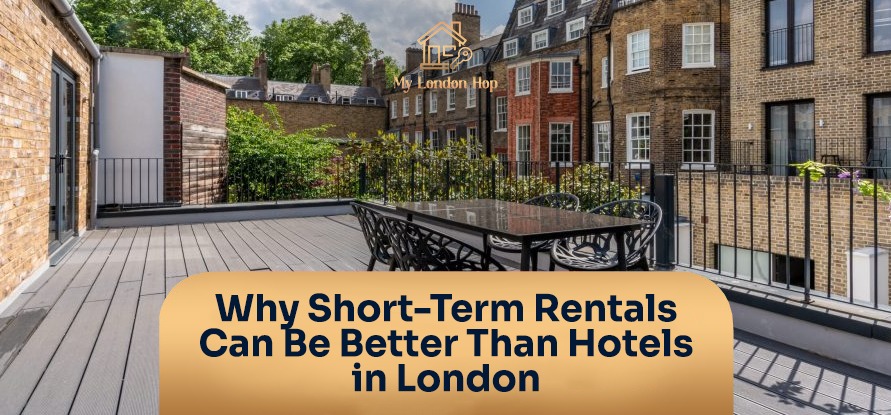
Why Short-Term Rentals Can Be Better Than Hotels in London

Every year, millions of visitors, business travelers, families, and long-term guests come to London. It is one of the most popular cities in the world. When making plans for a trip, a common issue comes up: should you book a hotel or a short-term rental in London?

Short-term rentals in London are becoming more popular than traditional hotels because people are traveling differently, hotel prices are going up, and people want more flexible living arrangements. This guide tells you why, which helps travelers make better, more comfortable, and cheaper choices about where to stay.

What Is a Short-Term Rental in London?

A short-term rental is a completely furnished flat or house that you can stay in for a few nights to a few months. These homes are usually in residential or central districts and have kitchens, living rooms, and other modern conveniences.

Short-term rentals are better for leisure tourists, business people, families, and people moving to London than hotels since they feel more like home.

More Space and Comfort Than a Hotel Room

One of the biggest advantages of short-term rentals over hotels is space.

Most London hotel rooms are compact, especially in central zones. Short-term rental apartments, however, usually include:

  • Separate bedrooms and living areas
  • Fully equipped kitchens
  • Dining space and storage
  • More privacy and freedom

Families, groups, or guests who are visiting for more than a few nights will find this extra room quite useful. You may relax, work from home, or unwind after a day of sightseeing without feeling trapped.

Cost-Effective for Longer Stays in London

London hotels are known for high nightly rates, particularly in popular locations. Short-term rentals often provide better value for money, especially for stays of one week or more.

Key cost benefits include:

  • Lower average nightly rates for extended stays
  • No daily restaurant or room service expenses
  • Laundry facilities that reduce extra costs
  • Better pricing for group travelers

For business travelers, consultants, and tourists staying 7–30 days, short-term rentals can be significantly more affordable than hotels in London.

Live Like a Local in Central London Neighborhoods

Hotels are usually clustered around tourist zones, while short-term rentals are spread across authentic London neighborhoods.

Staying in a rental allows you to:

  • Experience daily life like a Londoner
  • Shop at local markets and supermarkets
  • Access nearby cafés, parks, and transport links
  • Avoid overcrowded hotel districts

This local experience is particularly appealing to travelers seeking cultural immersion rather than a standard hotel stay.

Fully Equipped Kitchens for Convenience and Health

Having your own kitchen is a major advantage of short-term rentals.

Guests can:

  • Prepare meals at their convenience
  • Save money on dining out
  • Maintain dietary preferences or restrictions
  • Enjoy breakfast or late-night snacks at home

For families, long-stay guests, and health-conscious travelers, this flexibility is something hotels rarely provide without extra cost.

Ideal for Business Travelers and Remote Work

London is a business center for the whole world, and professionals come here all year round. Short-term rentals are great for people who work from home or travel for work.

Benefits include:

  • Dedicated workspaces
  • Faster Wi-Fi compared to many hotels
  • Quiet residential environments
  • Flexible check-in and longer stays

Instead of feeling like a temporary guest, professionals can settle into a productive routine while staying in London.

Greater Privacy and Personal Freedom

Hotels include common areas, set schedules, and staff members who talk to guests often. Short-term rentals provide guests more privacy, which is wonderful for people who like to be alone.

You can:

  • Come and go without restrictions
  • Avoid busy hotel lobbies
  • Enjoy your own private space
  • Host guests where permitted

This freedom is particularly appealing to couples, executives, and long-stay visitors.

Better Choice for Families and Group Travel

Traveling with children or in groups can be challenging in hotels. Short-term rentals simplify the experience.

They offer:

  • Multiple bedrooms under one roof
  • Child-friendly layouts
  • Shared living areas for bonding
  • Cost savings compared to booking multiple hotel rooms

Families benefit from comfort, convenience, and a stress-free stay while exploring London.

Flexible Stays Tailored to Modern Travel

Modern travelers often need flexibility, whether for extended holidays, relocation, or project-based work. Short-term rentals cater to these needs better than hotels.

They support:

  • Nightly, weekly, and monthly stays
  • Flexible check-in and check-out
  • A balance between hotel services and home comfort

This adaptability makes short-term rentals a future-proof accommodation choice in London.

Are Short-Term Rentals Better Than Hotels in London?

For many travelers, the answer is yes.

Short-term rentals provide:

  • More space and comfort
  • Better value for money
  • Local living experiences
  • Privacy and flexibility
  • Ideal setups for families and professionals

While hotels still serve a purpose for short stays and luxury services, short-term rentals offer a smarter, more personalized way to stay in London.

Final Thoughts

Short-term rentals are changing the way people stay in London as their travel tastes change. They fill the gap between hotels and long-term housing by giving tourists the comfort, convenience, and flexibility they want.

Visitors who want to see more of London than just a hotel room can rent short-term apartments. These are a practical, affordable, and immersive option that is becoming more and more popular across the UK.

If you’re going to London again soon, looking into short-term rental choices could change the whole way you travel.

Posted on Leave a comment

How to Make the Most of London Transport From Your Apartment

If you stay in a well-located flat in London, you’ll have a huge advantage: you’ll be able to use one of the most linked public transportation networks in the world right away. Understanding how to use London’s public transportation system well can save you time, money, and make your trip more enjoyable, whether you’re there for business, pleasure, or an extended stay.

Why Location Matters When Using London Transport

Choosing an apartment close to primary transportation links makes it much easier to get around the city. Central London neighborhoods usually have a lot of different ways to get about, so you can get around without having to rely on cabs.

Benefits of good transport access include:

  • Faster commutes to attractions and business districts
  • Lower travel costs
  • Easier airport connections
  • Greater flexibility during peak hours

Apartments near Underground, bus, and rail links allow you to explore London efficiently, even during short stays.

Understanding the London Underground (The Tube)

The London Underground, commonly called the Tube, is the fastest way to travel across the city.

Key tips for Tube travel:

  • Stations are clearly marked and easy to access from most central apartments.
  • Trains run frequently, even during peak times.
  • Each line is colour-coded for simple navigation.

Living near major lines such as Central, Piccadilly, Jubilee, or Victoria makes travelling between zones effortless and predictable.

Using London Buses for Short, Scenic Trips

London’s iconic red buses are ideal for short journeys and sightseeing.

Why buses are useful:

  • Extensive coverage, including areas not served by the Tube
  • Affordable flat fares
  • Scenic routes offering city views

Buses are especially helpful when travelling late at night or for door-to-door convenience from your apartment.

Pay Smart with an Oyster card or Contactless.

Paying for transport in London is simple and cash-free.

Best payment options:

  • Oyster Card – Ideal for more extended stays
  • Contactless debit/credit cards – Perfect for short visits
  • Mobile wallets – Apple Pay or Google Pay

Daily fare caps ensure you never pay more than necessary, no matter how often you travel.

The Elizabeth line: Faster Cross-London Travel

The Elizabeth line connects key locations across London with fewer stops and faster journeys.

Advantages:

  • Direct access to Heathrow Airport
  • Quicker travel between East and West London
  • Spacious, modern trains

If your apartment is near an Elizabeth line station, you can reach major destinations with minimal transfers.

Plan Routes Easily with Citymapper and Google Maps

Intelligent route planning makes London transport stress-free.

Best apps for visitors:

  • Citymapper – Real-time updates, step-by-step routes
  • Google Maps – Reliable for walking + transport combinations

These tools provide live service updates, platform changes, and estimated arrival times, perfect for voice search and hands-free use.

Travel Smart During Peak Hours

London rush hours can be busy, especially on weekdays.

Peak travel times:

  • Morning: 7:30 – 9:30
  • Evening: 4:30 – 6:30

If possible:

  • Travel earlier or later
  • Use buses or alternative lines.
  • Walk short distances between nearby areas.

Many central London destinations are closer than they appear.

Walking and Cycling from Your Apartment

London is a highly walkable city, particularly in central zones.

Other mobility options:

  • Walking between neighbourhoods like Soho, Covent Garden, and Westminster
  • Cycle hire schemes near major stations
  • Clearly marked pedestrian routes.

Combining walking with public transport often saves time and offers a more authentic city experience.

Late-Night and Weekend Transport Options

London transport runs late, even after the Tube closes.

After-hours options:

  • Night Tube services on selected lines
  • Night buses operate across the city
  • Weekend engineering updates (check apps in advance)

Staying near well-connected areas ensures safe and reliable travel at any hour.

Airport Connections Made Easy

From centrally located apartments, airport travel is straightforward.

Major connections:

  • Heathrow via Piccadilly line or Elizabeth line
  • Gatwick via National Rail
  • Stansted and Luton via express services

Easy airport access is a significant advantage of staying in transport-connected areas.

Final Tips for Making the Most of London Transport

  • Choose apartments close to multiple transport options.
  • Use contactless payments for flexibility.
  • Check live updates before leaving.
  • Combine walking, buses, and trains for efficiency.

Explore London with Confidence from Your Apartment

When you stay with MyLondonHop, you’ll be close to London’s most reliable public transportation, which will make it easy for you to explore the city on your own. You can easily, cheaply, and stress-free get around London if you prepare ahead and have the necessary tools. This lets you focus on having fun in the city.Your apartment’s location can make a significant impact when you go to a conference, a famous place, or a hidden gem in the area.

Posted on Leave a comment

Holiday Apartment Living: Tips for Christmas & New Year Celebrations

Spending Christmas and New Year’s in a holiday apartment is a great way to get comfort, solitude, and flexibility, especially in busy UK cities like London. Living in a holiday apartment lets you spend the season your way, whether you’re there for a family visit, a festive vacation, or a winter city break.

This guide gives you useful, voice-search-friendly recommendations to help you have a stress-free, memorable Christmas season while staying in a vacation apartment.

Why Choose a Holiday Apartment for Christmas & New Year in the UK?

More and more people in the UK are choosing holiday apartments for their holiday breaks. They provide you space, flexibility, and a homey feel that hotels don’t, which is especially nice over the holidays.

Key benefits include:

  • More space for family gatherings
  • Fully equipped kitchens for festive meals
  • Privacy for celebrations
  • Central locations near Christmas markets and New Year events
  • Better value for longer stays

For travellers visiting London, areas such as Battersea, Knightsbridge, Mayfair, and Central London offer easy access to seasonal attractions, shopping, and fireworks displays.

How to Decorate a Holiday Apartment for Christmas Without Damage

Decorating your holiday apartment can instantly bring festive cheer—just keep it simple and rental-friendly.

Festive decoration tips:

  • Use battery-powered fairy lights instead of plug-ins
  • Choose tabletop Christmas trees or wreaths
  • Add festive cushions, throws, and candles
  • Avoid nails, tape, or wall adhesives
  • Use removable décor that leaves no marks

A cosy, festive setup enhances the holiday mood without violating apartment guidelines.

How to Plan a Christmas Meal in a Holiday Apartment

Having a fully stocked kitchen is one of the best things about living in a holiday apartment. You can have a handmade Christmas dinner or a laid-back holiday brunch.

Smart planning tips:

  • Shop early to avoid holiday rush
  • Choose simple, oven-friendly recipes
  • Prepare dishes in advance where possible
  • Use local UK supermarkets for festive meal deals
  • Try a mix of home cooking and takeaway options

Many guests also enjoy ordering festive meals from local restaurants while hosting at home.

How to Celebrate New Year’s Eve in a Holiday Apartment

New Year’s Eve in a holiday apartment allows you to celebrate on your own terms—whether it’s a quiet night in or a lively gathering.

Ideas for New Year celebrations:

  • Host a small countdown dinner with family or friends
  • Enjoy city views or nearby fireworks displays
  • Create a movie night or board game evening
  • Set up a midnight toast with champagne or mocktails
  • Stream live New Year events from London

Staying in an apartment means you avoid crowded venues while still enjoying the festive atmosphere.

Holiday Safety Tips for Apartment Living During Festive Season

Safety is essential during busy holiday periods, especially when celebrating indoors.

Important safety tips:

  • Never overload electrical sockets
  • Use LED candles instead of real flames
  • Keep balconies clear and secure
  • Store food properly to avoid waste
  • Be mindful of noise levels, especially at night

Responsible celebrations ensure a pleasant experience for you and neighbouring residents.

How to Explore Local Christmas & New Year Attractions in the UK

Holiday apartment living gives you flexibility to explore local festive events at your own pace.

Popular UK holiday experiences include:

  • Christmas markets and winter fairs
  • Festive shopping streets and malls
  • Seasonal theatre shows and concerts
  • Ice skating rinks
  • New Year’s Day walks and city tours

Staying in a central holiday apartment makes it easier to enjoy these attractions without long commutes.

How to Make a Holiday Apartment Feel Like Home

The holiday season is all about being together, warm, and comfortable. Little things may make your holiday apartment seem like home.

Simple ideas:

  • Play Christmas music or soft background playlists
  • Set up a festive breakfast routine
  • Light scented candles for seasonal ambience
  • Create a cosy evening corner with blankets and tea
  • Plan relaxed mornings without rigid schedules

These details turn your stay into a memorable holiday experience.

Is a Holiday Apartment Better Than a Hotel for Christmas & New Year?

Yes, for a lot of travelers. Especially for longer holiday visits, vacation apartments give you greater space, privacy, flexibility, and value.

They are ideal for:

  • Families
  • Couples seeking privacy
  • Groups celebrating together
  • Long-stay winter travellers
  • Guests who want a “home away from home”

Final Thoughts: Enjoy the Festive Season with Holiday Apartment Living

Living in a holiday apartment between Christmas and New Year is a great way to celebrate while still feeling at home. It lets you celebrate the season in a fun and memorable way, from cooking for the holidays and spending cozy evenings to visiting holiday destinations in the UK.

MyLondonHop’s holiday apartments are carefully planned to make your stay in the UK genuinely exceptional. They are comfortable, convenient, and in great locations.

With a holiday apartment, you may celebrate as you want, whether it’s a quiet Christmas or a fun New Year’s Eve.

Posted on Leave a comment

What’s the Difference Between a Flat and an Apartment in the UK? 

You may have noticed the words “flat” and “apartment” used in UK property listings. Sometimes they seem to mean the same thing. So, what’s the difference between an apartment and a flat in the UK? The two are very similar, but the difference is in how they are named, how they seem, and how people see them, not in their basic structure.

At mylondonhop, we look at these small but interesting differences that show both British culture and current property developments. This helps you understand UK housing better before you rent or buy.

Understanding UK Housing Terminology

The Origins of “Flat”

The word “flat” comes from the old Scottish word “flet,” which means “floor” or “dwelling.” In the past, British people used the word “flat” to mean a self-contained living space inside a bigger building, especially in places like London, Edinburgh, and Glasgow.

The Emergence of “Apartment”

The word “apartment” became more common later, thanks to how Americans and French people used it. In the UK, developers, estate agents, and marketers commonly use the word “apartment” to mean modern, stylish, or luxurious. For example, high-end city buildings or serviced lodgings featured on mylondonhop.

Flat vs Apartment: The Key Differences

Terminology and Regional Usage

In the UK, “flat” is the traditional term. Locals often say, “I live in a flat,” while “apartment” tends to appear in marketing materials or in upscale contexts. Essentially, both refer to self-contained units, but “apartment” carries a more posh or modern tone.

Property Size and Luxury Perception

People usually think of “flats” as basic or cheap units, whereas “apartments” are thought of as bigger, nicer, and better-equipped residences. For example, a block of flats might be home to people with middle-class incomes, whereas an apartment complex might have a concierge and a gym.

Architectural Layout

Flats are often part of older converted buildings or purpose-built social housing blocks, while apartments are found in modern high-rises or luxury developments with elevators and private balconies.

Ownership and Tenure

The legal status is the same; both might be leasehold or freehold. But owners of “apartments” may have to pay more for services because they have extra features like security, parking, or fitness centers.

How British English Differs from American English in Housing Terms

“Flat” in British English

In the UK, “flat” is widely accepted and doesn’t imply anything negative. You’ll find listings such as “2-bedroom flat in Kensington” or “studio flat near Oxford Circus.”

“Apartment” in American English

In the US, “apartment” is the standard term, regardless of luxury level. So, when Americans hear “flat,” they often picture something European or historical.

Historical Background: The Evolution of Flats in the UK

Victorian and Edwardian Era

Flats originally showed up in the late 1800s, when cities were developing rapidly. Rich Victorians sought city mansions that didn’t need as much upkeep as townhouses, which led to the building of lovely mansion blocks all across London.

Post-War Housing Boom

After World War II, Britain saw a huge demand for affordable housing, leading to a rise in council flats, functional, simple, and accessible to working-class families.

Modern Developments

The real estate market changed throughout the 1990s and beyond. The phrase “apartment” started to be used by developers to draw in professionals and investors. This changed the look of city skylines with glass buildings and luxury penthouses, which you can see in properties offered on mylondonhop.

The Rise of Luxury Apartments in Urban Areas

London’s Luxury Property Scene

Areas like Canary Wharf, Knightsbridge, and Chelsea showcase the modern definition of “apartment” with concierge service, underground parking, and panoramic views of the Thames.

Amenities That Define Modern Apartments

Apartments typically offer lifts, gyms, security, smart home features, and shared gardens, setting them apart from traditional flats.

Cost Comparison Between Flats and Apartments

Price Influencers

The worth of a property relies on where it is, how it looks, what it has, and how much demand there is for it. Both terminologies can be used to define related types of properties; however, “apartments” usually cost more per square foot because they are branded as luxury. You can see the difference when you look at listings on mylondonhop.

In cities like London, “apartments” can command higher rents — even for identical units — simply because of how they’re marketed.

Cultural Perceptions: Flat vs Apartment

What Locals Say

Most Brits see no difference they’ll casually say “flat.” The term feels more authentic and down-to-earth.

What Expats Think

Foreigners, especially Americans or Europeans, often perceive “apartments” as more modern and desirable, associating the word with premium living.

Common Types of Flats and Apartments in the UK

  • Studio Flat – A compact, single-room unit combining living, sleeping, and kitchen space, ideal for singles or students.
  • Maisonette – A two-story flat with its own private entrance, often compared to a mini-house.
  • Penthouse Apartment – A top-floor luxury unit offering exclusive views, high-end interiors, and private terraces.
  • Converted Flats – Older houses transformed into multiple living units are common in cities like Manchester, Bristol, and Edinburgh.

Location Matters: City vs Suburban Living

  • Flats in Central London – Think charming Georgian conversions or compact studio flats close to work and nightlife.
  • Apartments in Manchester, Birmingham, and Leeds – New-build developments dominate these cities, offering modern designs and premium facilities aimed at professionals.

Both flats and apartments can be owned in a choice of leasehold or freehold. But because the amenities are shared, apartment complexes sometimes have greater service and maintenance costs.

How Developers Market the Same Property Differently

To grab the attention of purchasers with more money or foreign investors, real estate agents usually change the name of a “flat” to “apartment.” Even when the building is the same, the word “apartment” makes it sound more upscale and important. This is a common topic on mylondonhop’s real estate insights.

  • Myth 1: Apartments are always bigger — not true; size depends on design.
  • Myth 2: Flats are old — many new developments are still called flats.
  • Myth 3: Apartments are only for the rich — there are budget apartments, too.

Tips for Choosing Between a Flat and an Apartment

  • Decide your priorities: Location, amenities, and budget.
  • Check service charges: Apartments often have higher monthly costs.
  • Inspect the building’s age: Older flats may need more maintenance.
  • Consider resale value: Apartments often attract investors and expats.
  • Don’t be swayed by labels: Focus on the property’s quality, not its name.

Conclusion

So, in the UK, what’s the difference between a flat and an apartment? Not much, practically speaking. The difference is in branding, style, and how people see them. “Flat” is a British word that has been around for a long time, but “apartment” is a new word that people like to use. No matter if you live in a flat in London or an apartment in Manchester, the most important thing is that it feels like home. At mylondonhop, we can help you locate that.

Posted on Leave a comment

What is a Studio Apartment

What is a Studio Apartment

Have you ever wondered what a studio apartment is and why it’s such a popular term in UK housing? A studio apartment is a small living space that has everything you need in one open room, like a bedroom, living room, and kitchen. Look at it like your own little house where every square foot counts!

We help you understand modern UK housing options like studio flats at mylondonhop. This makes it easier for you to choose the appropriate place to live that fits your needs and budget.

Understanding the Concept

In the UK, a studio apartment usually has one big room that serves as a bedroom, living area, and kitchen, as well as a separate bathroom. The goal is to be efficient: you have everything you need close at hand.

Studios have an open layout, which makes them feel cozy and unusually useful. This is different from bigger flats that have barriers between rooms. MyLondonHop says that this design trend is very popular with tenants who want residences that are both trendy and inexpensive.

Key Features of Studio Apartments

  • Open-Plan Layout – The most defining feature, creating a seamless flow of space.
  • Multi-Functional Zone – One room acts as your lounge, bedroom, and kitchen.
  • Compact Bathroom – Usually located in a small enclosed corner for privacy.
  • Efficient Design – Every corner is optimized to maximize usability.

Studio Apartment vs. 1-Bedroom Flat

The biggest difference? Walls.

A 1-bedroom flat has separate rooms for sleeping and living, while a studio apartment merges them into one.

For example, in a London studio, you might cook dinner just a few steps from your bed. That might sound odd to some, but for others, it’s perfect.

  • Privacy: A 1-bedroom offers more separation.
  • Space: Studios are smaller but cozier.
  • Cost: Studios are often 20–30% cheaper than 1-bedroom flats in the same area.

At mylondonhop, we make comparing these housing types simple, so you can choose what fits your lifestyle best.

Average Size of Studio Apartments in the UK

In the UK, the average studio apartment ranges between 25 to 40 square meters.

  • In London, they can be as small as 20 sqm due to high demand.
  • In Manchester or Leeds, studios are often larger and more affordable.

Cost of Studio Apartments in the UK

Prices vary depending on location:

City Average Monthly Rent (2025)

London £1,400 – £2,000

Manchester £850 – £1,200

Birmingham £800 – £1,100

Leeds £750 – £1,000

Edinburgh £950 – £1,300

Rent prices are greatly affected by things like how close the property is to public transportation, how well it is furnished, and what amenities it has.

Visit mylondonhop, your trusted source for UK property information, for more information on current listings and prices.

Who Usually Lives in Studio Apartments?

Studio apartments cater to:

  • Students who want affordable, central accommodation.
  • Young professionals starting their careers.
  • Digital nomads who value minimalism.
  • Short-term renters visiting cities for work or travel.

MyLondonHop notes that it’s all about simplicity, location, and modern convenience.

Advantages of Living in a Studio Apartment

  • Affordable Rent – Live in a prime city area for less.
  • Low Maintenance – Cleaning takes minutes, not hours.
  • Energy Efficient – Smaller space = lower bills.
  • Stylish and Modern – Most studios in the UK are sleekly designed for urban living.

Plus, it encourages minimalism you’ll own only what you actually need.

Disadvantages of Studio Apartments

  • Limited Space – Not ideal for large furniture or guests.
  • Lack of Privacy – You eat, sleep, and work in the same room.
  • Storage Issues – Smart organization is a must.

Still, mylondonhop believes the pros outweigh the cons—especially in expensive cities like London.

Studio Apartments in London

London’s property market is one of the world’s priciest, and studio apartments offer an affordable entry point.

Popular areas include:

  • Shoreditch (modern and artistic vibe)
  • Canary Wharf (for professionals)
  • Kensington (luxury studios)

Rent typically ranges from £1,400 to £2,500, depending on proximity to the Tube and amenities.

Studio Apartments in Other UK Cities

  • Manchester – Trendy Northern Quarter studios around £1,000.
  • Birmingham – Affordable and central, starting from £850.
  • Leeds – Ideal for students and young professionals.
  • Edinburgh – Historic charm meets modern design, around £1,200 average rent.

These cities offer better value for money compared to London, often with larger spaces.

Tips for Decorating and Maximizing Space

  • Go vertical: Install shelves to use wall space.
  • Use mirrors: They make your studio look larger.
  • Choose multi-purpose furniture: Like sofa beds or foldable tables.
  • Keep it light: Neutral tones and natural light make it feel airy.

Use smart interior design to make your apartment feel like a stylish modern loft, according to mylondonhop.

Is a Studio Apartment Right for You?

Ask yourself:

  • Do you value independence over space?
  • Are you fine living minimally?
  • Do you prefer city convenience over room size?

If yes, then a studio apartment might be your perfect match.

Buying a Studio Apartment in the UK

Investing in studio flats can also be a good idea.Prices vary by city, but on average they are between £120,000 and £400,000.They work well for short-term rentals like Airbnb or rental income. However, mylondonhop says you should think about resale value, since not everyone likes living in a small space.

Conclusion

What is a studio apartment really?

This is a small, attractive, and effective way to live that is great for people who want something easy and cheap. Even though space may be tight, smart design and inventiveness make it a great alternative for modern city living.

If you’re renting your first home or buying property, mylondonhop can help you find the greatest studio apartments in the UK. They offer comfort, style, and ease of use all in one small space. 

Posted on Leave a comment

What Is a Duplex Apartment in the UK?

Have you ever considered what a duplex apartment is and why so many people in the UK want to live in one? We at mylondonhop can help you learn about all kinds of UK homes. Duplex apartments are changing the way people live in cities today. They give you the comfort of a house and the ease of an apartment complex.

Let’s look into what makes duplex apartments in the UK real estate market so unique.

Understanding the Concept of a Duplex Apartment

Definition of a Duplex Apartment

In the UK, a duplex apartment is a home that is spread out over two levels and has an internal stairway connecting them. It’s meant to provide people more room, privacy, and the feeling of living in a separate home while still being part of a larger complex. This is something that mylondonhop often talks about when it comes to modern city life.

Difference Between Duplex and Other Apartments

A duplex is different from a regular flat since it has more than one level. This makes it easy to tell the difference between living and sleeping rooms. It’s a mix of the best parts of apartments and houses. MyLondonHop thinks this is the best balance for city workers and families.

History of Duplex Apartments in the UK

Evolution of Modern Housing Designs

In the late 20th century, the idea of duplex apartments became more popular in the UK as developers looked for new methods to maximize limited city space without giving up comfort.

Influence of Urbanization on Duplex Living

As cities become more crowded, duplex apartments have become a stylish way for families and professionals to get more space and better layouts. This is something that mylondonhop often sees in big UK complexes.

Structure and Layout of a Duplex Apartment

The lower floor of a standard duplex has living rooms, a kitchen, and guest restrooms. The upper story has bedrooms and private bathrooms. Some duplexes have their own doors, while others have a shared entrance. The internal staircase offers architectural interest and separates living spaces, which is something mylondonhop talks about when they examine modern apartments.

Duplex vs. Maisonette: What’s the Difference?

Even though they sound the same, a maisonette normally has its own entrance from the street, while a duplex could share one. Duplexes are also more modern and are commonly seen in high-end projects, which is something mylondonhop shows off a lot in London and other major UK cities.

Advantages of Living in a Duplex Apartment

  • Privacy and Space: The multi-level layout creates clear zones between living and personal spaces.
  • Cost-Effectiveness: Duplexes offer house-like space at a fraction of the price, a great deal for those exploring a duplex apartment on mylondonhop.
  • Ideal for Families and Professionals: Flexible layouts suit various lifestyles, from remote work to family life.

Potential Drawbacks of a Duplex Apartment

Living on two stories could make it a little more expensive to keep the heating and lighting on. Also, walls that are shared can sometimes make noise, but modern designs, like those typically shown on mylondonhop, use soundproofing to keep noise to a minimum.

Types of Duplex Apartments in the UK

  • Single-Floor Split Duplex – A design that creates a layered effect within one level.
  • Ground and Upper-Level Duplex – The most common type, featuring a living area below and bedrooms above.
  • Luxury Duplexes – Found in areas like Knightsbridge and Battersea, offering premium finishes and stunning city views, often featured on mylondonhop.
  • London: High demand among professionals and expats, especially in Canary Wharf and Chelsea.
  • Manchester: Trendy duplex lofts in regenerated zones like Ancoats and Deansgate.
  • Birmingham & Edinburgh: Affordable duplex options ideal for first-time buyers — listings like these are often explored on mylondonhop.

The Cost of Duplex Apartments in the UK

Prices range from £250,000 in locations in the north to over £3 million in London. Design, facilities, and location are all important factors, and mylondonhop allows you to compare these things before you buy or rent.

Modern duplexes have open floor plans, simple decor, and stairs that float. MyLondonHop suggests using neutral colors and glass accents to let in as much natural light as possible.

Buying vs. Renting a Duplex Apartment

Buying a home gives you long-term stability and capital growth, while renting gives you flexibility. This is great for short-term professionals or students who want to learn more about duplex apartments through MyLondonHop’s housing guides.

Most duplex apartments are leasehold, mainly those in cities. Before making any changes, always check with your local council to see whether you need planning permission. This is something that mylondonhop tells every UK homebuyer to do.

Tips for Finding the Perfect Duplex Apartment

You can start your search on sites like Rightmove or Zoopla, or you could use mylondonhop to find verified estate agents who can help you find the best duplex apartments in the UK.

Conclusion

What does it mean to have a duplex apartment in the UK? It’s the best mix of apartment comfort with house-style comfort, making it a great choice for modern living. Mylondonhop helps you find the perfect duplex that fits your lifestyle and budget, whether you want to buy or rent.

Posted on Leave a comment

What Is a One Bedroom Apartment UK

A one-bedroom flat in the UK has its own bedroom, living room, kitchen, and bathroom. At mylondonhop, we help you find and learn about the greatest one-bedroom apartments in the UK. Young professionals, couples, and retirees who want homes that are easy to take care of, economical, and in a good location often choose this sort of property. With the cost of living going up, these flats are the perfect mix of ease and luxury.

Understanding the Layout

We at mylondonhop know that having enough space and solitude is important while looking for a one-bedroom apartment.

Typical floor plan: Includes a private bedroom, a living/dining area, and a compact kitchen.

Average size: Usually between 45–60 square metres in major cities.

Layout type: Many modern UK apartments adopt open-plan layouts, combining the living and kitchen areas for a more spacious feel.

What’s Included in a One-Bedroom Apartment

Bedroom Features

The bedroom generally accommodates a double bed, a wardrobe, and sometimes an en-suite bathroom.

Living Room & Kitchen

The living area serves as the main social space, while the kitchen may be separate or open-plan with built-in appliances like an oven, fridge, and washing machine.

Bathroom Styles

Most one-bedroom apartments feature a modern bathroom with either a shower cubicle or bathtub.

Balcony & Storage

Some newer developments include private balconies, storage cupboards, or shared facilities such as bike storage.

Difference Between One-Bedroom and Studio Apartments

According to mylondonhop, the main difference is how the area is divided.

A studio apartment has an open space that includes the bedroom, living room, and kitchen. 

A one-bedroom apartment has a separate bedroom, which gives you more solitude and comfort.

  • Studio: Best for single tenants and minimalists.
  • One-bedroom: Better suited for couples or anyone who values defined spaces.

One-Bedroom Apartment Sizes Across the UK

The size of one-bedroom apartments varies depending on the city:

  • London: 45–55 m² (due to high property demand).
  • Manchester: 50–65 m² on average.
  • Birmingham: 48–60 m².
  • Other cities may offer larger layouts for similar prices.

Find the latest apartment size and pricing comparisons on mylondonhop.

Rent and Pricing Overview

Rental costs depend heavily on location, furnishing, and amenities.

City Average Monthly Rent (2025)

London £1,700–£2,500

Manchester £1,100–£1,600

Birmingham £950–£1,400

Leeds £900–£1,300

Glasgow £850–£1,200

Additional expenses include council tax, utilities, and sometimes service charges for maintenance.

Stay updated with real-time rental trends at mylondonhop.

Buying a One-Bedroom Apartment

One-bedroom flats are popular investment choices in the UK property market.

  • Average price (2025): £250,000–£400,000 depending on the area.
  • Ownership types: Most are leasehold, meaning you own the property for a set number of years.
  • Mortgages: Lenders often offer favourable rates for smaller units, especially in growing urban areas.

Explore buying guides and investment tips at mylondonhop.

Who Typically Rents or Buys One-Bedroom Apartments

  • Young professionals: Seek proximity to city centres.
  • Couples: Enjoy a manageable space with privacy.
  • Students & expats: Value affordability and convenience.

At mylondonhop, we help every type of renter or buyer find the perfect home.

Advantages of Living in a One-Bedroom Apartment

  • Affordable rent and bills.
  • Easy maintenance with less cleaning required.
  • Energy-efficient heating and cooling.
  • Urban accessibility close to transport, shops, and entertainment.

These flats are great for people who live in the modern world and value convenience. Mylondonhop makes it easy to find them.

Disadvantages to Consider

While practical, one-bedroom apartments have limitations:

  • Limited space for families or frequent guests.
  • Storage constraints.
  • Potential noise in high-density buildings.

But mylondonhop has recommendations for interior design and space management that can help you get the most out of small areas.

Furnished vs Unfurnished Apartments

A furnished apartment has all the basics, such as a bed, a sofa, and appliances. This makes it great for short-term renters.

An apartment without furnishings gives people who wish to make their room their own more options.

The demand for compact, affordable housing continues to grow.

  • Remote work has led people to prioritise comfort and flexibility.
  • Developers are introducing eco-friendly, space-efficient designs.
  • London and Manchester remain top hotspots for one-bedroom investments.

Tips for Finding the Perfect One-Bedroom Apartment

  • Set your budget, consider rent, utilities, and deposits.
  • Choosing the right area proximity to work and transport is key.
  • Check the lease terms and look for hidden costs.
  • Inspect before signing, evaluate condition and security features.

How to Maximise Small Spaces

  • Use mirrors to create the illusion of space.
  • Opt for multi-functional furniture sofa beds, foldable tables, and wall shelves.
  • Declutter regularly to maintain a fresh, airy atmosphere.
  • Choose light colours to brighten up the apartment.

Conclusion

A one-bedroom flat in the UK is the best choice for comfort, cost, and usefulness. Mylondonhop lets you make smart, sure decisions, whether you’re renting for the first time or buying a home. Your one-bedroom apartment can feel big, stylish, and like it’s really yours if you choose the right style and location.

Posted on Leave a comment

What Is a Lease Apartment in the UK? 

If you’re relocating to the UK or thinking about buying a home there, you could see the phrase “What Is a Lease Apartment” while looking for housing choices. But what does it really mean? In simple terms, a lease apartment is a property that you don’t own outright but have the right to live in or use for a set amount of time under a legal agreement called a lease.

We help tenants and purchasers at MyLondonHop understand what a lease apartment truly means. This way, they can make better choices, avoid hidden charges, and know their legal rights before signing any contract.

What Does “Lease Apartment” Mean?

A leasing apartment is a flat or unit that you rent out. The person who lives there owns the property for a set period of years, decades, or even centuries, but not the land it is on. The freeholder (or landlord) still owns the land.

On the other hand, a freehold property implies you own the building and the land forever. When looking at what a Lease Apartment is in the UK property market, it’s important to know the difference between the two. Mylondonhop will show you how to achieve this step by step.

How a Lease Works in the UK

A lease is a long-term rental agreement between the leaseholder (you) and the freeholder (the property owner).

It outlines:

  • The length of time you can occupy the property
  • Your rights and obligations
  • Rules for maintenance, repairs, and payments

When first given, leases usually last between 99 and 999 years. However, as time goes on, the lease period gets shorter, which can affect the value of the home. This is an important point that mylondonhop makes when talking to clients.

Types of Leases in the UK

  1. Short-Term Leases
  2. Usually last from 6 months to 2 years. These are common for renters and are flexible but offer less stability.
  3. Long-Term Leases
  4. Can extend for decades, often 99 years or more. Common when you buy a leasehold flat.
  5. Assured Shorthold Tenancy (AST)
  6. This is the most common lease type for renters, giving both the landlord and tenant specific rights under UK law.

If you’re not sure what kind of lease apartment is best for you, mylondonhop can help you compare different forms of leases before you choose one.

Leasehold vs. Rental – The Key Difference

A rental apartment is usually only for a brief time; you’re a tenant, not an owner.

A lease apartment, however, gives you ownership rights for a set number of years. You can sell, mortgage, or transfer your lease to someone else.

Think of it as “owning time” in a property rather than the property itself, a concept mylondonhop explains clearly to every client exploring what a rented apartment is in the UK.

Who Owns a Lease Apartment?

The freeholder owns the land, while the leaseholder owns the apartment for the length of the lease. The freeholder may levy service fees and ground rent to keep the building and common amenities in good shape.

Leaseholders also have to follow some rules. For instance, they may need authorization to make big changes or have pets. Before you sign, mylondonhop helps you know these terms.

How Long Is a Typical Lease?

Most new leases last 99, 125, or 999 years.

When the remaining term is less than 80 years, extending the lease becomes costly due to “marriage value.”

Always check before you buy, because the shorter your lease, the less your property is worth. MyLondonHop suggests that you read this carefully to get a clear picture of what a Lease Apartment is worth in real life.

Buying a Lease Apartment

When you buy a lease apartment, you’re purchasing the remaining years of the lease, not the land itself.

Before buying:

  • Check the lease length
  • Review ground rent and service charges.
  • Understand renewal rights

It’s very important to choose a lawyer who knows a lot about leasehold conveyancing. We connect you with reliable professionals at mylondonhop who make the procedure easy and clear.

Renewing or Extending a Lease

You can normally renew your lease if you’ve owned the property for at least two years. The steps in the extension procedure are:

  • Hiring a surveyor to estimate the cost
  • Serving a Section 42 Notice to the freeholder
  • Paying legal and administrative fees

Most extensions add 90 years to the lease and make the ground rent go down to $0. If you want to know what a lease apartment is and how it changes over time, mylondonhop can help you with that.

Ground Rent and Service Charges

Ground rent is the money you pay the freeholder for the land.

Service costs pay for the upkeep of common areas, including hallways, gardens, and elevators.

Before you sign the lease, always ask for a breakdown. Some landlords charge too much. mylondonhop helps shoppers find and avoid these hidden fees.

Advantages of Lease Apartments

  • Lower cost than freehold properties
  • Less responsibility for structural maintenance
  • Prime locations – most city-center flats are leasehold
  • Shared maintenance reduces stress.

Disadvantages of Lease Apartments

  • Limited ownership duration
  • Potentially high ground rent or service charges
  • Restrictions on alterations or subletting
  • Decreasing property value as the lease term shortens

mylondonhop provides detailed consultations so you can weigh the pros and cons effectively.

Lease Agreement Clauses You Should Know

Always review these clauses carefully:

  • Repairs and Maintenance: Who is responsible for what
  • Alterations: Whether you can make changes
  • Subletting: Permission requirements
  • Service Charges: Payment terms and disputes

How to Check Lease Terms Before Signing

Before you sign anything:

  • Review the lease document
  • Request the management pack.
  • Ask your solicitor to explain every clause in plain English.

Never rely solely on verbal promises from agents or landlords, a key piece of advice from mylondonhop.

What Happens When the Lease Ends

When your lease expires, ownership returns to the freeholder unless renewed or extended. You may:

  • Negotiate a new lease
  • Purchase the freehold (if eligible)
  • Sell before expiry

mylondonhop can help guide you through each of these options.

Tips for Tenants and Buyers

  • Always check remaining lease years
  • Ask about ground rent escalation clauses
  • Keep all communication in writing
  • Hire a leasehold specialist solicitor

Conclusion

In the UK, a lease apartment lets you reside in a property for a set amount of time without owning the land itself. It’s a good and cheap choice, especially in cities. But it’s important to know the conditions of your lease, the costs, and your rights to renew it so you don’t lose money and protect your investment.

If you want to know what a lease apartment is and how it affects your property journey, mylondonhop is the best place to go for clear, expert advice on leasehold properties in the UK.