


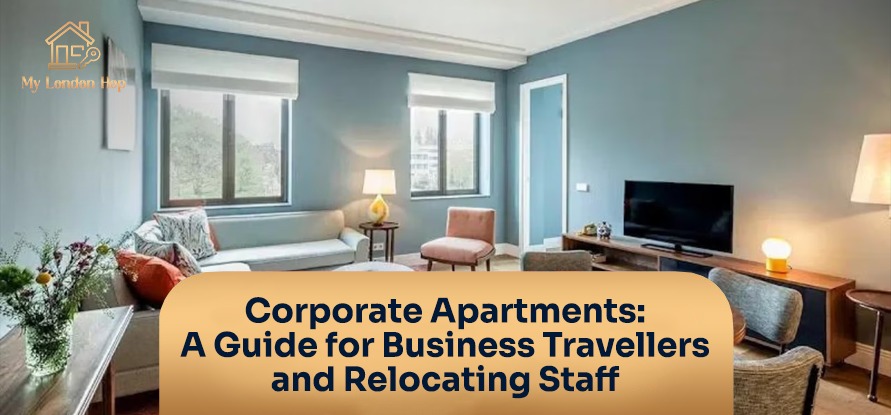
A corporate apartment is a fully furnished, serviced flat that corporations lease for personnel on the move or relocating for work. It provides the staff the service you would expect in a hotel, but with the space, privacy and comfort of a true home. For business travelers and personnel relocating to London, it is typically the easiest method to keep established while working away from home.
This article will cover what corporate apartments are, who uses them, how they differ from hotels, and what you should look for when you book. It’s written in straightforward English, so you can use it whether you’re booking for yourself or for a complete team.
What Is a Corporate Apartment?
A corporate apartment is a furnished apartment leased for work-related stays. The duration of the stay can be a few nights or a few months. Usually, the apartment is ready to move into, with furniture, a kitchen, bedding, Wi-Fi and regular cleaning.
Many people also refer to these residences as serviced apartments or business housing. Names are similar, but the concept is identical. You turn up there with your suitcase, and all the other stuff is already there.
Who Uses Corporate Apartments?
Corporate apartments suit many types of work travel. The most common guests are listed below.
Business Travellers on Longer Trips
Some work trips last two weeks, a month or more. A hotel room can feel small and tiring after a few days. An apartment gives you room to cook, rest and work without feeling stuck in one room.
Relocating Staff
When a company moves an employee to London, the employee needs somewhere to live while they look for a long-term home. A corporate apartment gives them a calm base. They can learn the city, visit areas and choose a neighbourhood without rushing.
Project Teams and Consultants
Teams that work together on a short project often need several apartments close to each other, or close to the client’s office. Shared kitchens and living spaces also make it easier to hold quick catch-ups.
Staff on Training or Assignment
Training programmes and secondments can last weeks or months. A furnished apartment keeps costs and paperwork simple for both the employee and the company.
Families Moving With an Employee
Some staff arrive with a partner or children. Apartments with extra bedrooms and a kitchen help families keep their daily routine, such as home-cooked meals and a quiet space for homework.
Corporate Apartments vs Hotels: What Is the Difference?
Both options work well. The right choice depends on how long you stay and what you need.
| Feature | Corporate Apartment | Hotel Room |
| Space | Separate bedroom and living area | One room, often small |
| Kitchen | Full kitchen, so you can cook | Usually none, or a mini fridge |
| Laundry | Washing machine in the apartment | Paid laundry service |
| Privacy | High, with your own front door | Shared corridors and lobbies |
| Best for | Stays of one week or longer | Very short stays |
| Cost over time | Often better value for longer stays | Can add up with meals and laundry |
| Feels like | A home | A place to sleep |
For a one- or two-night trip, a hotel is often simple and quick. For a longer stay, an apartment usually gives you more comfort and better value. Eating out for every meal can also be tiring and expensive, so a kitchen makes a real difference.
Why Corporate Apartments Help Employees Work Better
Where you stay affects how you work. A good night’s sleep, a quiet place for calls and a proper meal all help you do your job well.
Here is how a corporate apartment supports that:
- Better rest: A comfortable bed and a calm space help you recover after long days.
- Space to focus: A desk or dining table lets you work without sitting on a bed.
- Healthy routines: You can cook simple meals, store groceries and keep your normal habits.
- Less stress: Bills, cleaning and set-up are handled so that you can focus on the work.
- A sense of home: Living in a real apartment can help staff feel less lonely when they are far from family.
These small things add up, especially on long assignments.
What to Look for in a Corporate Apartment
Not every apartment is a good fit for work stays. Use this checklist when you compare options.
Location
Travel time matters. A shorter journey means more time to rest. Check how close the apartment is to your office, the nearest Tube station and local shops. London’s central areas such as Mayfair, Marylebone, Knightsbridge, Chelsea and Canary Wharf are popular because they are well connected and full of everyday services.
Wi-Fi and Workspace
Fast, stable internet is a must. Ask about the speed, and check if there is a proper desk or table. If you take video calls, a quiet room helps a lot.
Kitchen and Laundry
Look for a kitchen with the basics: hob, oven, microwave, fridge, kettle and cookware. A washing machine is very useful for stays longer than a week.
Housekeeping and Support
Ask how often the apartment is cleaned and whom you can contact if something goes wrong. Fast, friendly support matters most when you are new to the city.
Flexible Booking Terms
Work plans change. A project can end early or run longer than planned. Look for clear terms on extensions, early departure and cancellations.
Safety and Security
Check for secure entry, a trusted building and clear check-in steps. These details bring peace of mind, especially if you arrive late.
Clear Pricing
Ask what the price includes. A good provider lists utilities, Wi-Fi, cleaning and any extra fees in plain terms, so there are no surprises on your final bill.
Choosing the Right Size and Layout
The best layout depends on who is staying.
- Studio: Good for one traveller on a short or medium stay.
- One-bedroom apartment: Works well for one person who wants more space, or a couple.
- Two-bedroom apartment: Suits colleagues sharing, or a family moving together.
- Penthouse or larger apartment: A strong choice for senior staff, longer stays or guests who host small meetings.
If you are unsure, choose a little more space than you think you need. On a long stay, extra room makes daily life much easier.
How Long Should You Stay in a Corporate Apartment?
There is no fixed rule, but stays often fall into three groups:
- Short stays (a few nights to two weeks): Good for quick projects and client visits.
- Medium stays (two weeks to three months): Ideal for training, consultancy work and short assignments.
- Long stays (three months or more): Common for relocating staff who need time to find a permanent home.
The longer you stay, the more a kitchen, laundry and extra space matter.
Why Choose MyLondonHop for a Corporate Stay in London?
MyLondonHop offers luxury short-term rentals and fully serviced apartments, including penthouses in Central London. Guests are able to stay in residences in popular neighborhoods such as Mayfair, Chelsea, Knightsbridge, Canary Wharf and Marylebone. Places with good connections, good eateries and lots of services for everyday needs.
For business travelers and migrating personnel, this means a comfortable, well-located base that’s a home, but works like a hotel. If you are arranging a work stay in London, you may contact MyLondonHop to discuss your dates, group size and location needs.
Final Thoughts
Corporate apartments provide a comfortable and practical alternative to live and work in a new city for business travelers and migrating workers. They provide room, privacy and clear pricing so that customers may concentrate on the task at hand.
When you choose one, check the location, workspace, kitchen and booking terms. Pick a layout that works for your group. And be sure you plan for change. A business stay can be a quiet and simple one, close to home, when you choose the perfect apartment in the right part of London.